

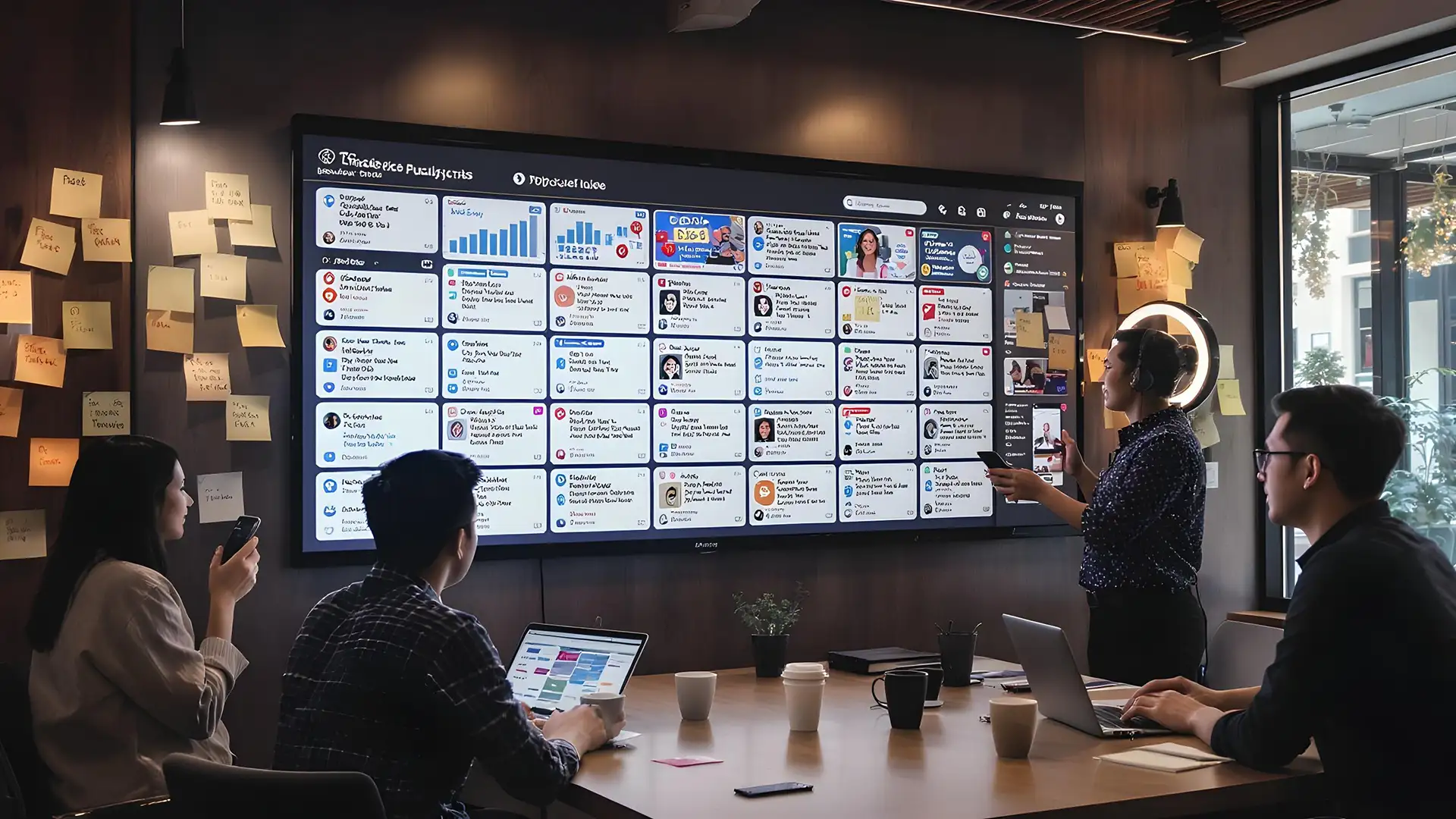
Social media is no longer just a “nice to have.” It’s a core part of how brands connect, serve, and stay relevant. But with new platforms, AI-driven algorithms, and shifting user behavior, it’s easy to get overwhelmed.
Whether you’re a solo founder, startup marketer, or small business owner, here’s what you really need to know about using social marketing tools in today’s fast-moving digital world.
1. Social Media Isn’t a Strategy — It’s a Channel
Let’s get one thing straight: social media is not your whole marketing strategy. It’s a tool — a powerful one — that supports your broader business goals like visibility, conversion, and loyalty.
Even the best TikTok campaign won’t replace solid branding, consistent email marketing, or a great product experience. What social can do is:
- Grow your reach
- Build trust
- Boost engagement
- Drive traffic to owned channels like your website or newsletter
Think of social as the bridge, not the destination.
2. Know the Ecosystem (Not Just the App)
Each platform has a purpose — and its own culture:
- TikTok favors short-form creativity, humor, and trends
- LinkedIn is for thought leadership and B2B authority
- Instagram balances aesthetics and storytelling, especially for lifestyle and retail brands
- Threads and X (formerly Twitter) focus on real-time conversations
- YouTube Shorts and Reels are critical for vertical video discoverability
And beyond these? Niche platforms like Discord, Reddit, and Substack Notes are where deep community happens.
If you want to show up well, learn the language of each platform. Understand their formats, user behaviors, and content expectations — then show up natively.
3. Engagement Beats Virality
Going viral is a bonus — not a plan.
Real growth comes from consistent, high-quality engagement:
- Reply to comments
- Share behind-the-scenes stories
- Ask questions and create polls
- Feature customers and their stories
- Reshare UGC (user-generated content)
- Run AMAs or live streams
Think of social media as your digital handshake — the place where brand trust is built one small interaction at a time.
4. Algorithm Fatigue Is Real — Create for People, Not Just Feeds
Too many businesses obsess over “hacking the algorithm.” That may work for reach, but if your content lacks value or authenticity, it won’t convert.
Instead:
- Focus on helpful, relevant, timely content
- Prioritize clarity over cleverness
- Design for mobile-first consumption (vertical, subtitles, bold visuals)
- Mix in long-form formats (like carousels and mini-threads) for depth
Want real traction? Talk to your audience like humans. Not “followers.”
5. Automation Helps, but Don’t Forget the Human Touch
Yes, tools like Buffer, Hootsuite, Later, Notion, and Metricool can streamline scheduling and reporting. AI can even help write captions and repurpose content.
But no tool can replace your brand’s voice.
Use automation for structure — not for sounding robotic. Monitor DMs, respond promptly, and don’t treat social like a one-way channel.
6. Avoid Digital Spamming — Consistency Wins
Just because you can post every hour doesn’t mean you should.
What turns people off fast:
- Posting without engaging
- Overselling every product
- Ignoring comments or reviews
- Reposting recycled content with no context
Instead, focus on content cadence, not chaos. A few thoughtful posts a week can outperform dozens of rushed ones.
Remember: the goal isn’t noise. It’s connection.
7. Strategy First. Always.
Social media without a clear goal is just noise. Ask:
- What role does social play in our customer journey?
- Are we trying to build awareness, nurture leads, or drive conversion?
- How will we measure success?
Build your content around those answers — then track, test, tweak, and repeat.
Final Thought
Social media success in 2026 isn’t about chasing the next platform or gimmick. It’s about showing up with intention, clarity, and consistency.
If you treat your audience like a community — not a crowd — social media becomes more than a tool. It becomes your brand’s front door.