


In the current 2026 fiscal environment, the regionalization of payment rails has moved from a convenience-based feature to a core strategic imperative. While the Singaporean linkage was the initial proof of concept, the full integration of Malaysia’s DuitNow with Thailand’s PromptPay and Indonesia’s QRIS has created a unified economic corridor. This connectivity allows for real-time, local-currency settlement, fundamentally altering the unit economics for micro-SMEs and regional travelers alike.
Strategic leaders must recognize that this is not merely a retail play. By eliminating the friction of traditional currency exchange and high intermediary fees, the cross-border DuitNow QR 2026 infrastructure allows businesses to capture “impulse” cross-border trade. With Visit Malaysia 2026 in full swing, the ability for an Indonesian or Thai tourist to scan a DuitNow QR code and pay instantly in their native currency provides a frictionless customer experience that translates directly to higher top-line revenue for Malaysian merchants.
Market Comparative: ASEAN QR Interoperability Matrix (Q1 2026)
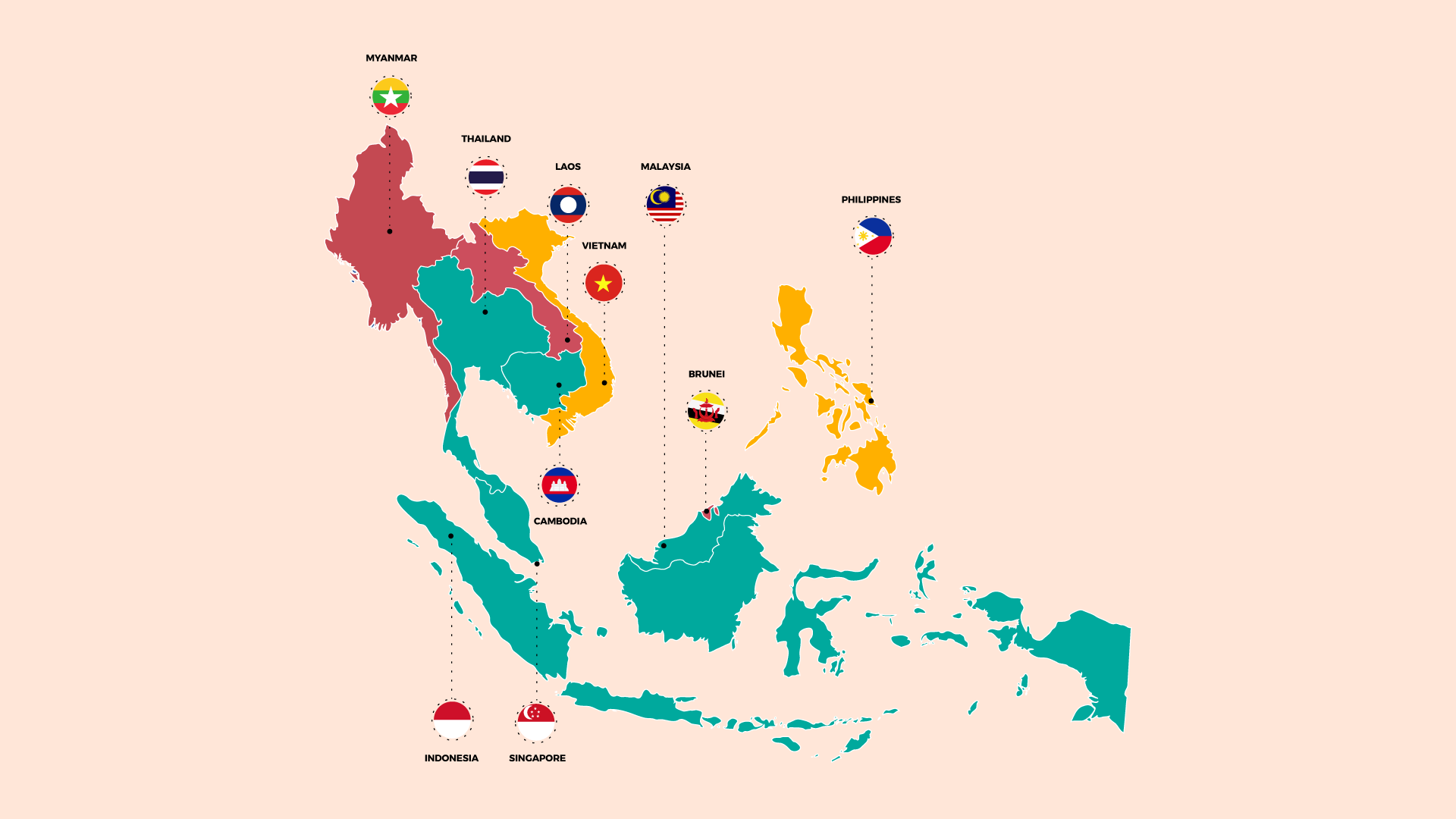
The following table outlines the current operational status of the DuitNow QR cross-border linkage across the region. Organizations should evaluate these corridors based on their specific supply chain and customer acquisition strategies.
| Partner Country | Local QR Standard | Status (March 2026) | Strategic Action |
|---|---|---|---|
| Singapore | NETS / PayNow | LIVE | Use for all retail and P2P transfers. |
| Thailand | PromptPay | LIVE | Fully reciprocal scanning enabled. |
| Indonesia | QRIS | LIVE | Optimizes exchange rates for B2C trade. |
| Cambodia | KHQR / Bakong | LIVE | Reliable for SME and merchant payments. |
| China | Alipay+ / UnionPay | LIVE | Integrated via DuitNow-enabled wallets. |
| India | UPI | PHASE 2 (ROLLOUT) | Limited to selected metropolitan hubs. |
| Vietnam | VietQR | COMING SOON | Currently in technical pilot phase. |
| Philippines | QR Ph | COMING SOON | Full rollout expected by Q4 2026. |
| Myanmar | – | NOT SUPPORTED | Rely on USD or traditional wire transfers. |
| Brunei / Laos | – | NOT SUPPORTED | Use local currency or bank transfers. |
Strategic Implications for Business Leaders
The recent updates from PayNet Malaysia confirm that the scalability of these networks is expanding into broader demographics, including India and the Middle East. Strategic leaders should prioritize the integration of these payment standards into their operations to enhance user experience. Moreover, by adopting these standardized payment protocols, businesses can improve the transparency of their cross-border financial data. Therefore, staying ahead of these fintech trends is essential for maintaining a competitive edge in the Southeast Asian corridor.
For further advice on regional expansion, visit our business exploration guide or contact us at Nicamstar Business Consultancy.
Sources: Bank Negara Malaysia (BNM) Annual Report 2025; PayNet Malaysia Press Release (Feb 2026); ASEAN Digital Economy Framework Agreement Status Update (2026).