

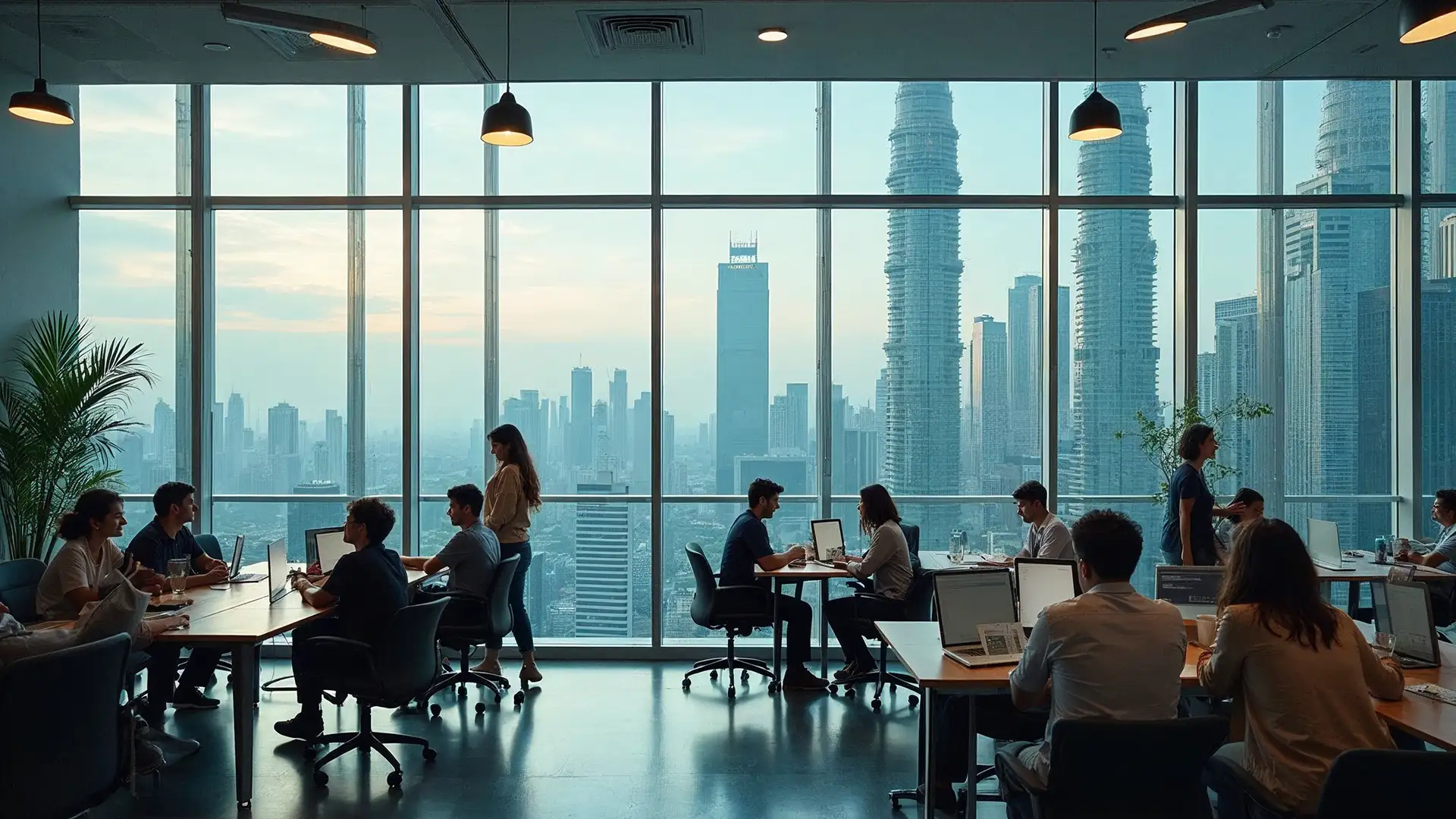
The world of work is always changing. Malaysia’s human resources (HR) landscape is no exception. As we approach 2025, Malaysian businesses face a pivotal moment. They must navigate what might seem like a talent tsunami. Yet, it is actually a vast opportunity for those ready to adapt.
Digital transformation, automation, and evolving workforce expectations drive this new reality.
Here’s what Malaysian businesses need to focus on:
- The Rise of Specialized HR Roles: Traditional HR is giving way to more specialized functions. We see increased demand for HR professionals. They need skills in HR analytics, talent acquisition tech, employee experience design, and digital learning platforms.
- Upskilling and Reskilling as a Core Strategy: The shelf life of skills is shrinking. Companies must invest heavily in continuous learning programs. This ensures their workforce remains relevant and competitive. It includes not just technical skills but also soft skills like critical thinking, adaptability, and emotional intelligence.
- Employee Experience & Well-being: Beyond compensation, employees prioritize workplace culture, work-life balance, and support for mental and physical well-being. Flexible work arrangements, comprehensive wellness programs, and a strong sense of purpose are becoming essential for attracting and retaining top talent.
- Leveraging Technology in HR: Technology streamlines HR operations. It also improves efficiency and provides valuable data insights. Examples include AI-powered recruitment tools and sophisticated HRIS (Human Resources Information Systems).
- Diversity, Equity, and Inclusion (DEI): Building diverse teams and fostering inclusive environments is crucial. This helps not only for ethical reasons but also for driving innovation and better business outcomes. Malaysia’s diverse and multilingual talent pool offers a unique advantage here.
For Malaysian businesses, proactively addressing these HR trends will make a difference. It determines whether they thrive or merely survive. It is about building a future-ready workforce. This workforce can meet the challenges and seize the opportunities of a rapidly changing world.