

In the current 2026 landscape of regional trade, the interoperability of financial systems is no longer a luxury but a strategic necessity. The formal linkage between Singapore’s PayNow and Malaysia’s DuitNow represents a significant leap toward a frictionless ASEAN payment ecosystem. Consequently, businesses operating across the Causeway can now leverage real-time capital mobility with unprecedented efficiency.
From a macro perspective, this integration addresses the traditional pain points of cross-border remittances, such as high costs and settlement delays. By utilizing just a mobile number or Virtual Payment Address (VPA), users can bypass the complexities of traditional wire transfers. Furthermore, the inclusion of non-bank financial institutions ensures that the digital economy remains inclusive. This allows SMEs to compete on a more level playing field. To understand the broader regulatory framework, business leaders should consult the latest updates from Bank Negara Malaysia.
Operational Mechanics and Implementation
For organizations looking to optimize their cash flow, the PayNow for DuitNow linkage offers a streamlined protocol for small-value transactions. Currently, users in Malaysia can transfer up to RM3,000 daily, while Singapore-based entities have a limit of S$1,000. To initiate a transfer, simply navigate to your banking app’s “Overseas Transfer” section and select the appropriate payment option. This real-time capability ensures that just-in-time payments are settled instantly, 24/7.
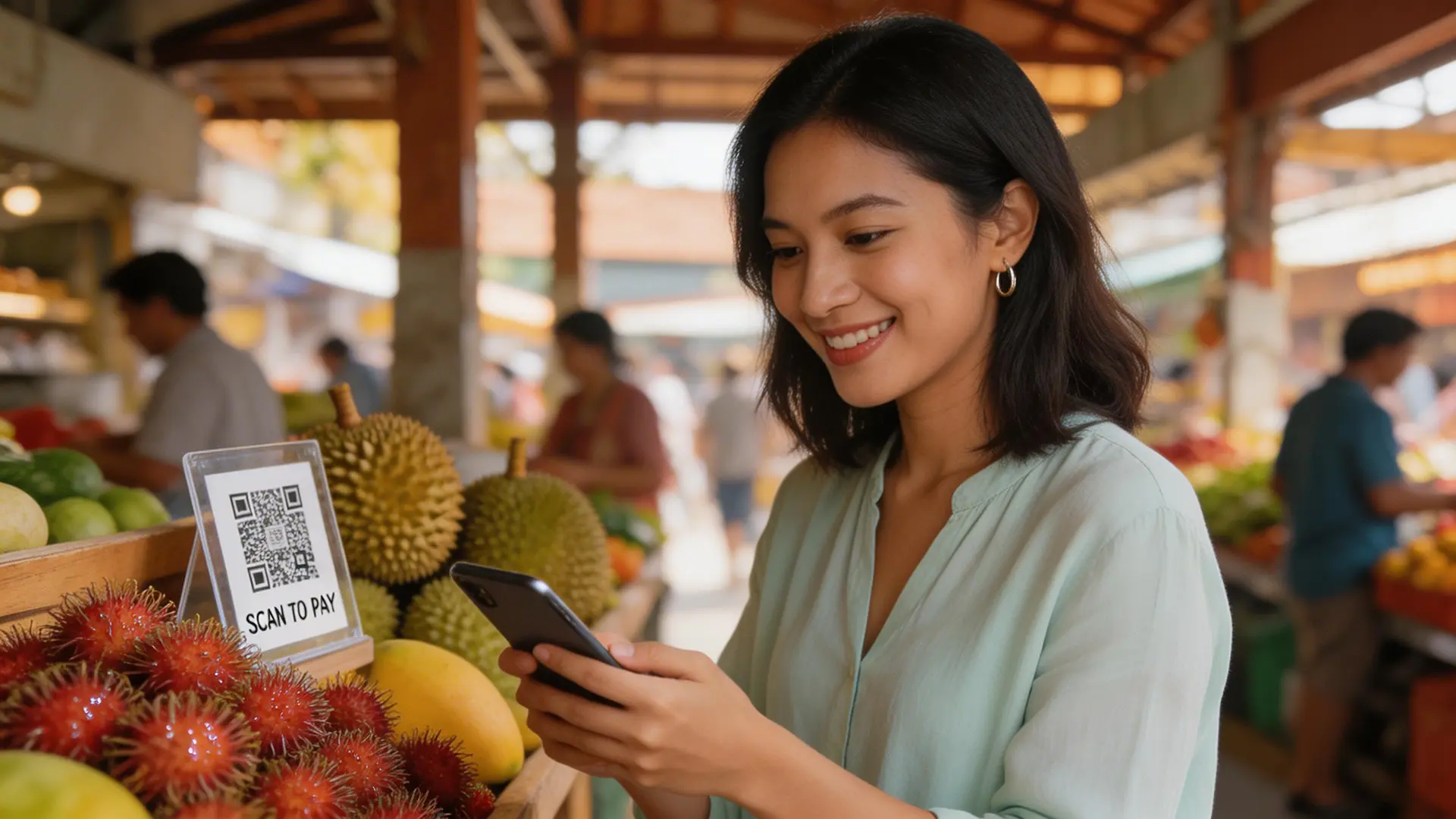
Moreover, the strategic value extends beyond person-to-person (P2P) transfers. The QR payment linkage allows merchants to accept payments by scanning standard local QR codes. This synergy reduces the need for expensive POS hardware for small-scale vendors. As a result, Nicamstar identifies this as a critical window for retailers to capture the rising volume of regional tourism. By adopting these tools, businesses can significantly reduce overhead costs.
Strategic Outlook for Business Leaders
As we progress through 2026, the scalability of these networks will likely expand to include larger transaction volumes. Strategic leaders should prioritize the integration of these payment methods into their customer-facing operations to enhance the user experience. Moreover, by adopting these standardized payment protocols, businesses can improve the transparency of their cross-border financial data. Therefore, staying ahead of these fintech trends is essential for maintaining a competitive edge in the Southeast Asian corridor.
Sources: Bank Negara Malaysia (BNM) Annual Report 2025; Monetary Authority of Singapore (MAS) Bilateral Linkages 2026; PayNet Malaysia FAQ on Cross-Border Real-Time Payments.